Tartu Loomemajanduskeskus

DESIGNERS OF ANTONIUS FASHION SHOW 2026

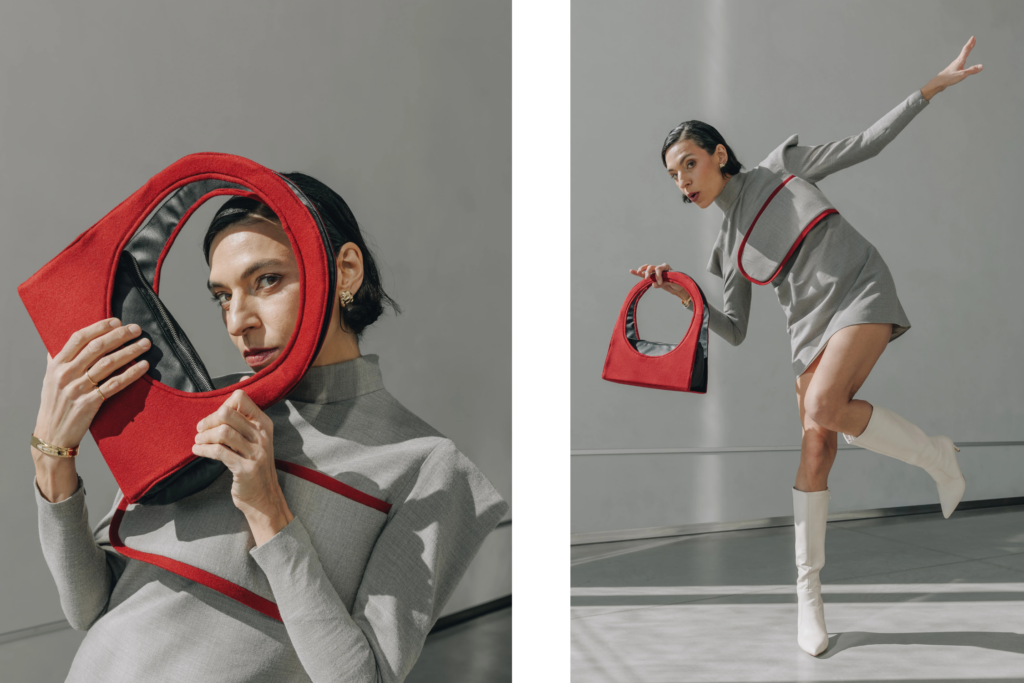
Anna Chirkova / B.MOR STUDIO

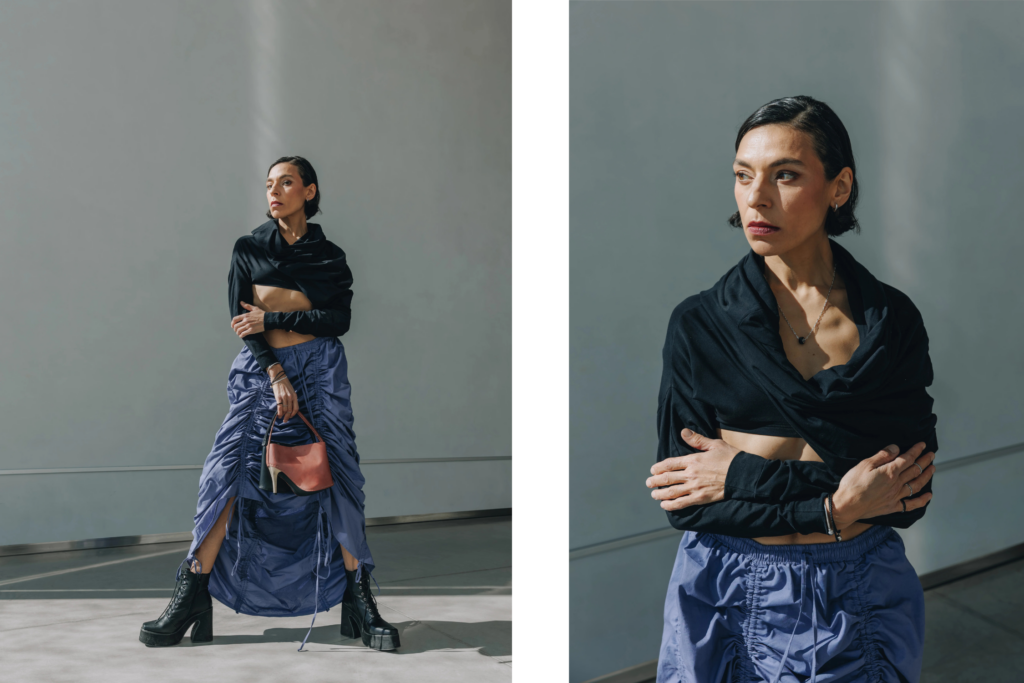
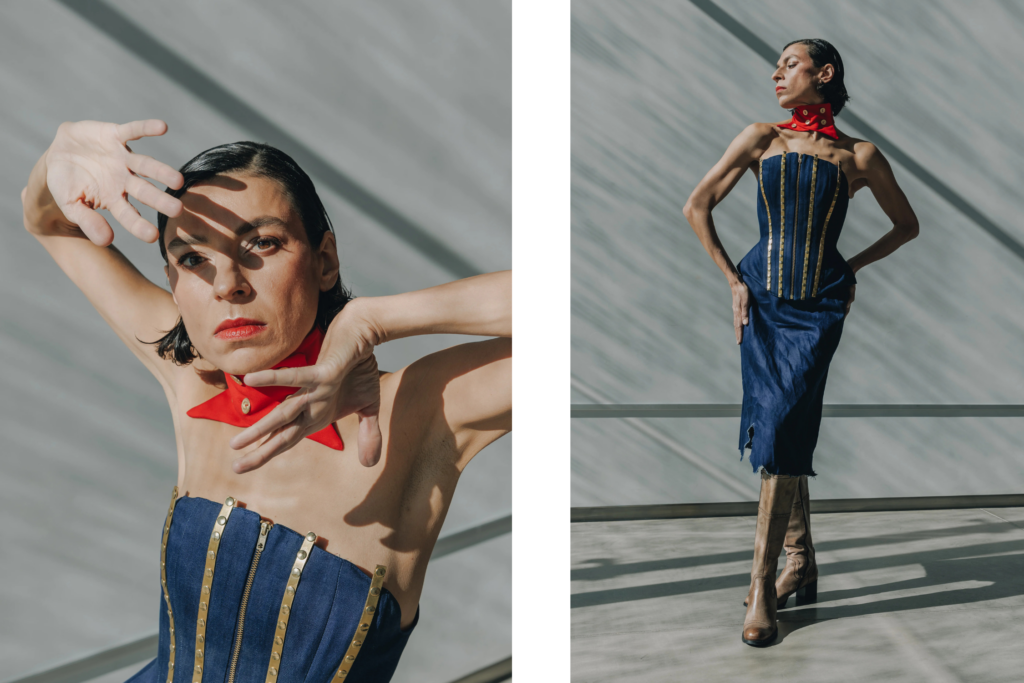
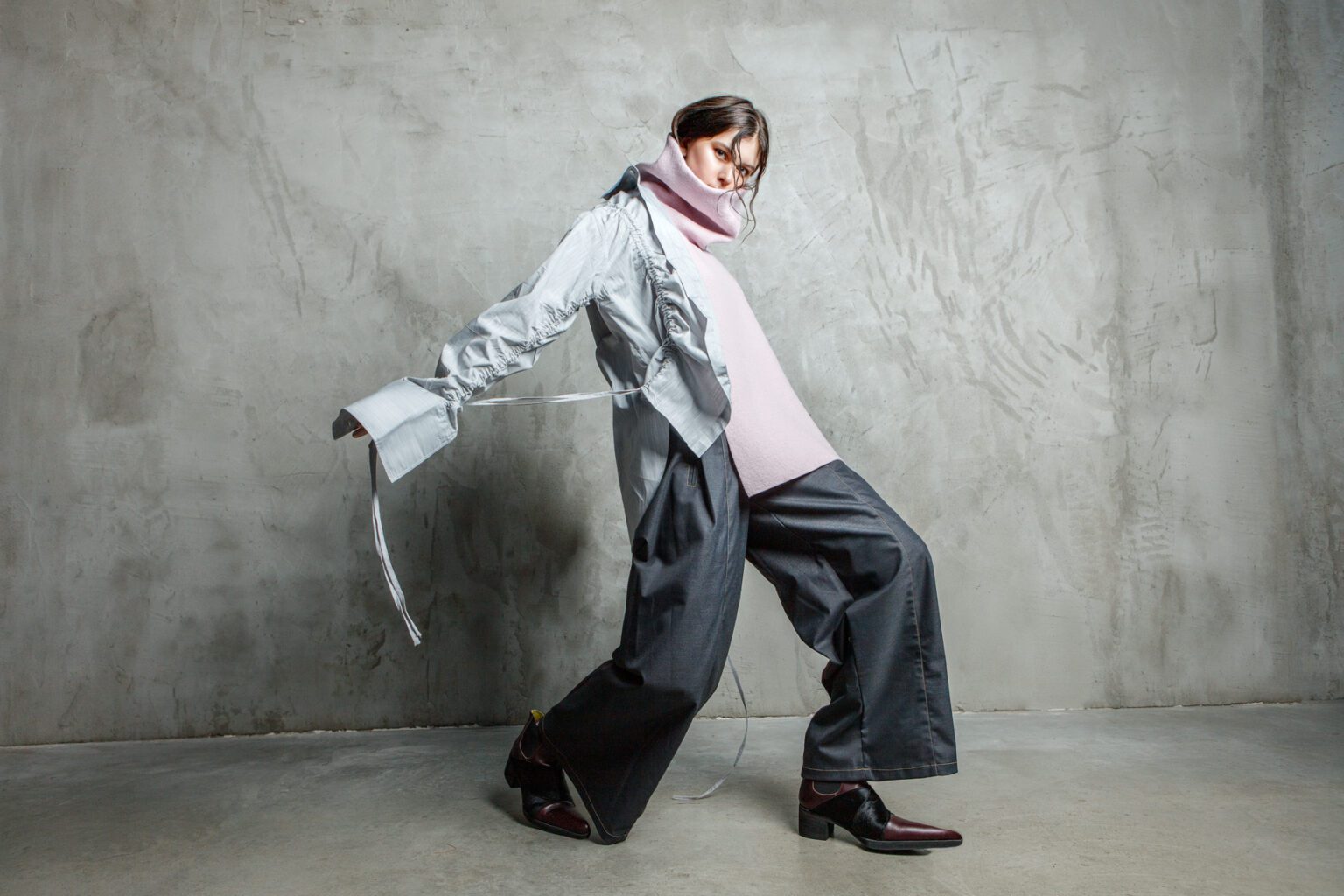
B.MOR Studio is a slow fashion brand based in Tallinn, founded by engineer-turned-designer Anna Chirkova. The brand’s approach focuses on creating garments that support the wearer’s well-being by using skin-friendly and natural materials. The collection “ROMB” is a continuation of the 2025 Ittai collection, which the designer also presented at the Antonius Fashion Show in 2025. Its inspiration comes from men’s garments found in a family archive—suits, jackets, trousers, and shirts—which are given new life in a contemporary ready-to-wear context. At the core of the collection are transformable and adjustable garments that adapt to different body types. Gender-neutral cuts, tieable and modifiable details, and flexible constructions allow the pieces to be worn in multiple ways and across various sizes. The materials emphasize natural and skin-friendly fabrics, and the collection is created following the principles of circular design and upcycling.

Marleen Afanasjev / STUDIO ALLTY

Marleen Afanasjev is the founder of the brand STUDIO ALLTY, whose creative work is rooted in the values of recycling and a desire to extend the lifespan of garments. Her collection “MARIKA” is a continuation of the 2025 collection “SALME”, which the designer also presented at the 2025 Mood-Performance-Dance (MPT) show.

The collection is dedicated to the designer’s mother and explores the relationship between the garment and the wearer, focusing on care, repair, and preservation—activities that often remain invisible but are essential for a garment’s longevity.

The pieces in the collection are created from stagnant and defective stock from the STUDIO ALLTY second-hand store, redesigned into new ready-to-wear garments. Through upcycling, used materials take on a new form, making every item a unique, one-of-a-kind piece. At the heart of the designer’s work is the appreciation and reimagining of existing clothing, bringing recycled materials back into the everyday wardrobe.

Birgit Peerna ja Helen-Mary Vartšun / N-20 STUDIO

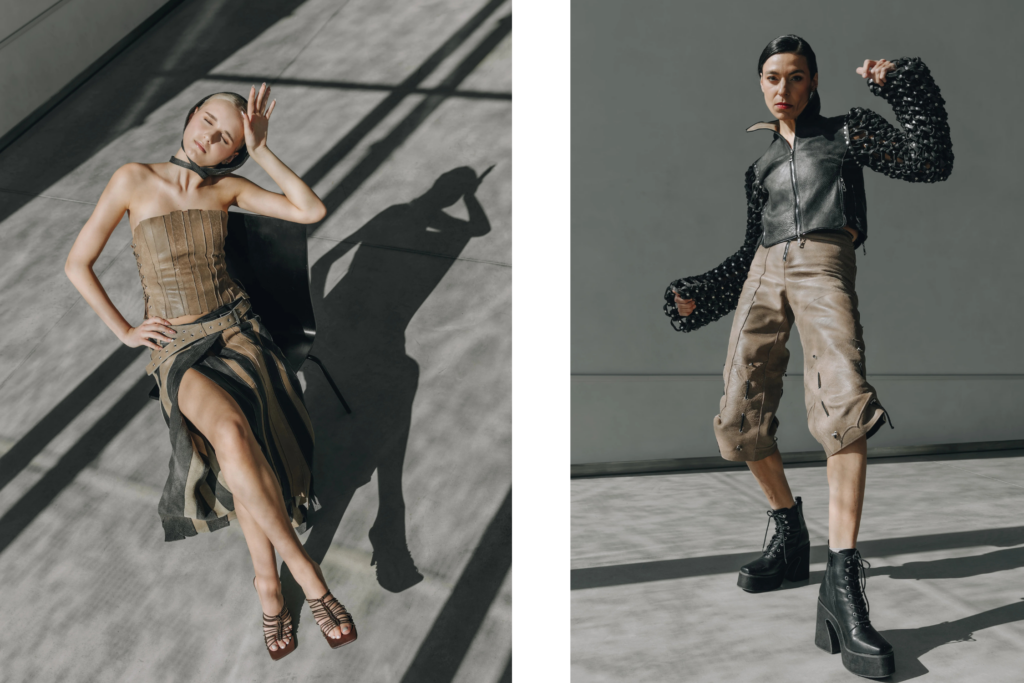
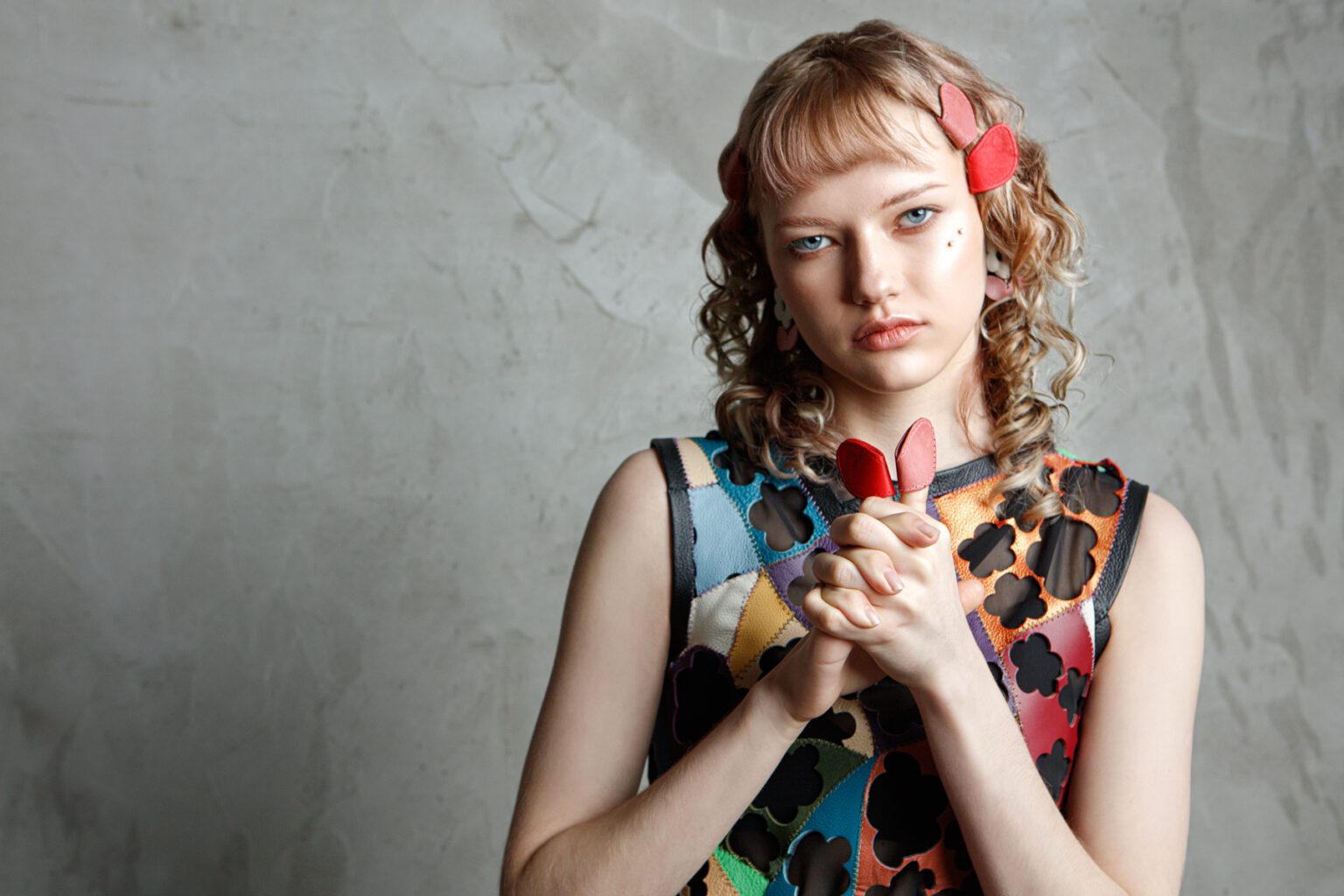
N-20 Studio is a brand created through the collaboration of designers Birgit Peerna and Helen-Mary Vartšun, focusing on the upcycling of leather leftovers. Their collection “x, y” brings together two different approaches—the same material, but distinct styles and technical executions. The material used in the collection mainly comes from leftover leather from the Estonian furniture and footwear industry, including pieces with natural imperfections. The designers emphasize the maximum use of materials and see production leftovers as an opportunity for creating new items. Working with leftover leather gives each piece a unique color and surface pattern, shaping the collection into ready-to-wear garments and accessories designed for everyday use. 
Kairi Getman

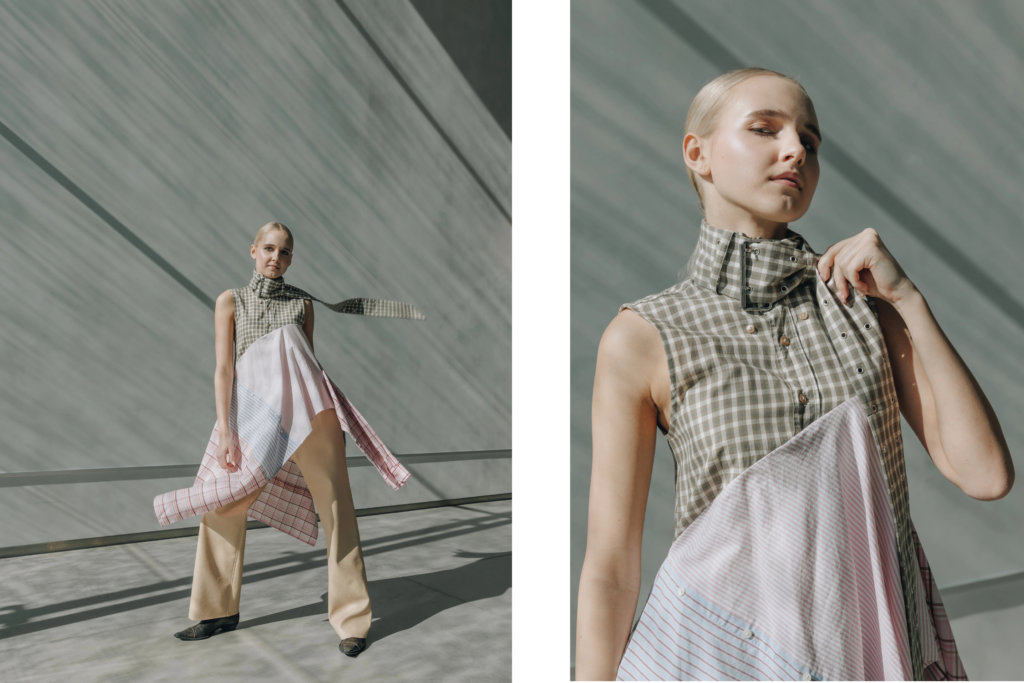
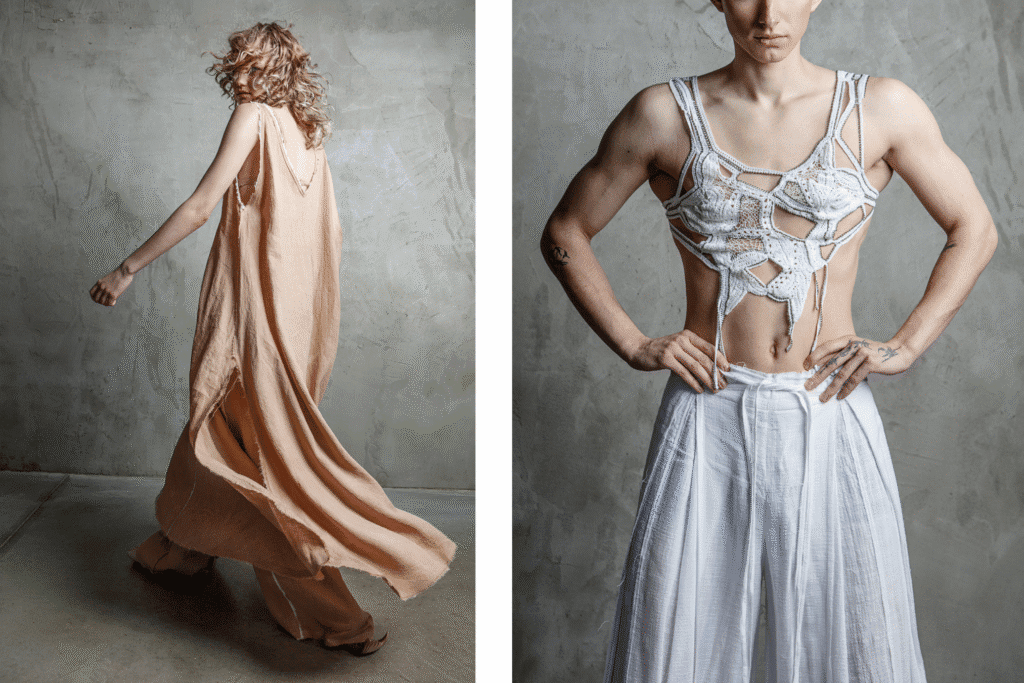
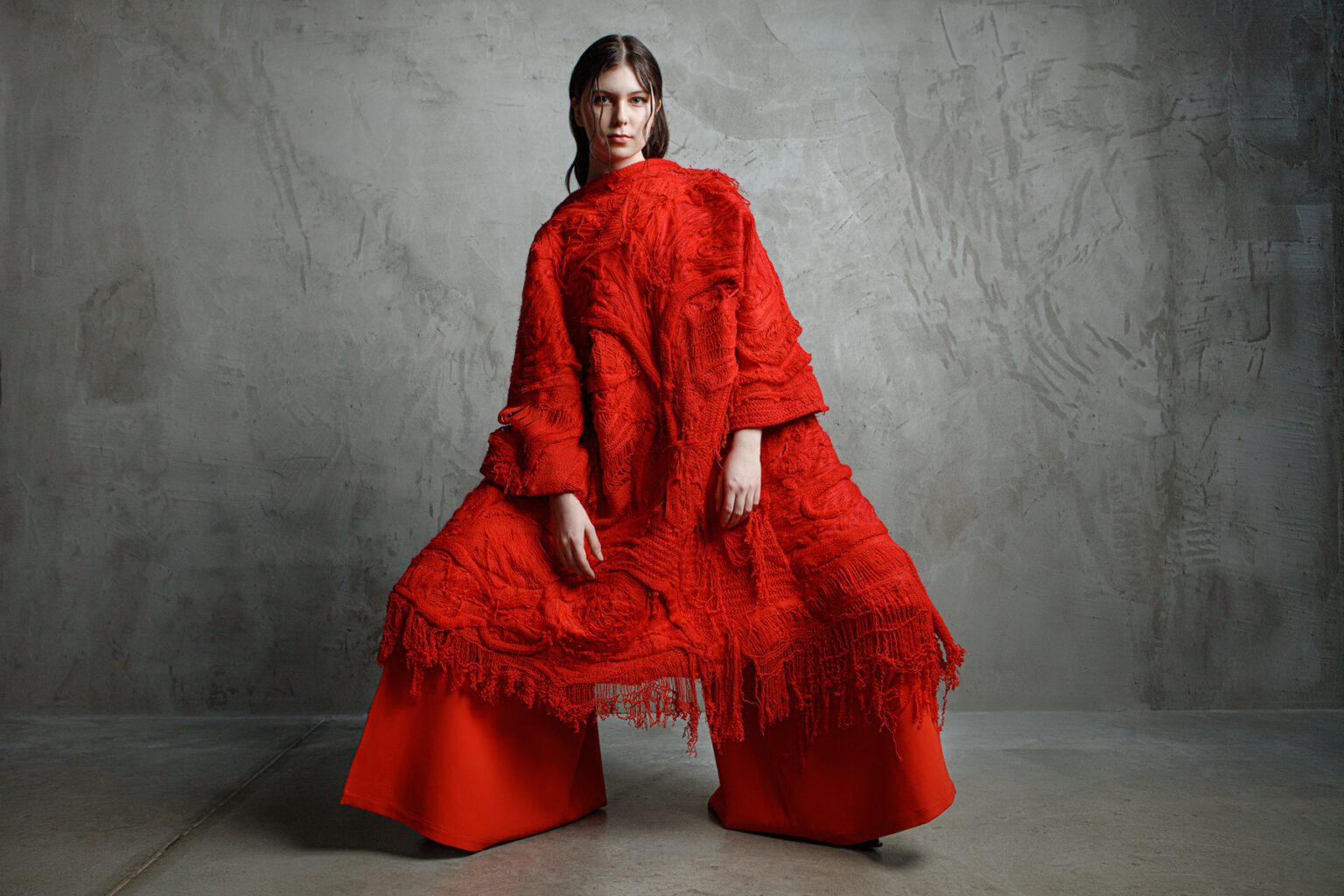
Kairi Getman creates feminine, free-form garments guided by the principles of slow fashion. Her collection “LEIDA” is inspired by the designer’s grandmother and approaches clothing as a calm, everyday object imbued with meaning. Crocheted patterns made by her grandmother intertwine with the designer’s own layered color treatments, forming a cohesive whole where naturally dyed surfaces, a slow working process, and wearing comfort play a central role. The collection follows a unisize approach, making it adaptable to different body shapes and movement needs. The designer primarily uses natural and carefully selected materials, including linen, cotton, and viscose, and dyes fabrics using natural sources such as spruce cones and oak leaves. Small-scale production, thoughtful material use, and a consistent working process support the brand’s timeless and conscious character.

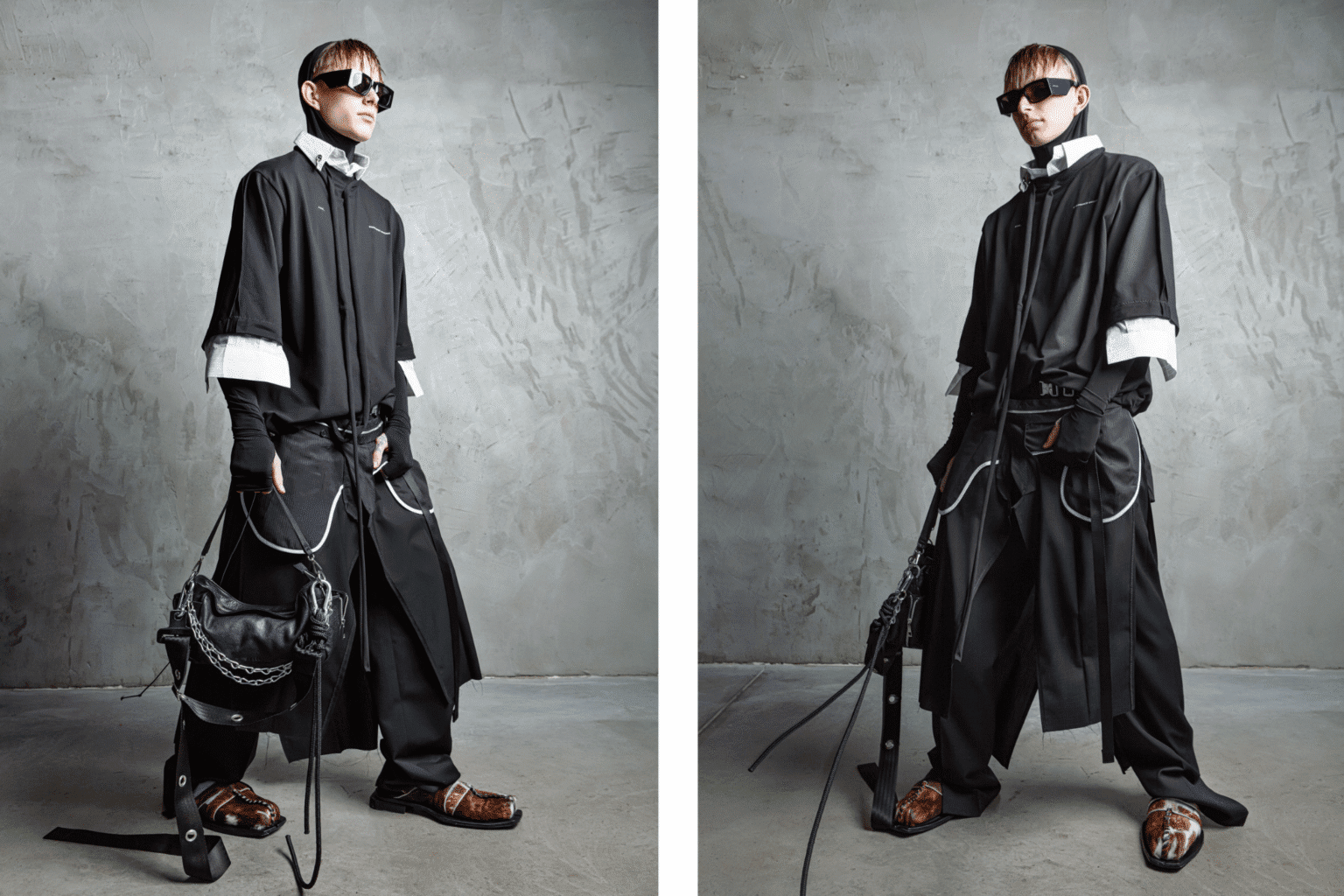
Jaagup Kaiv

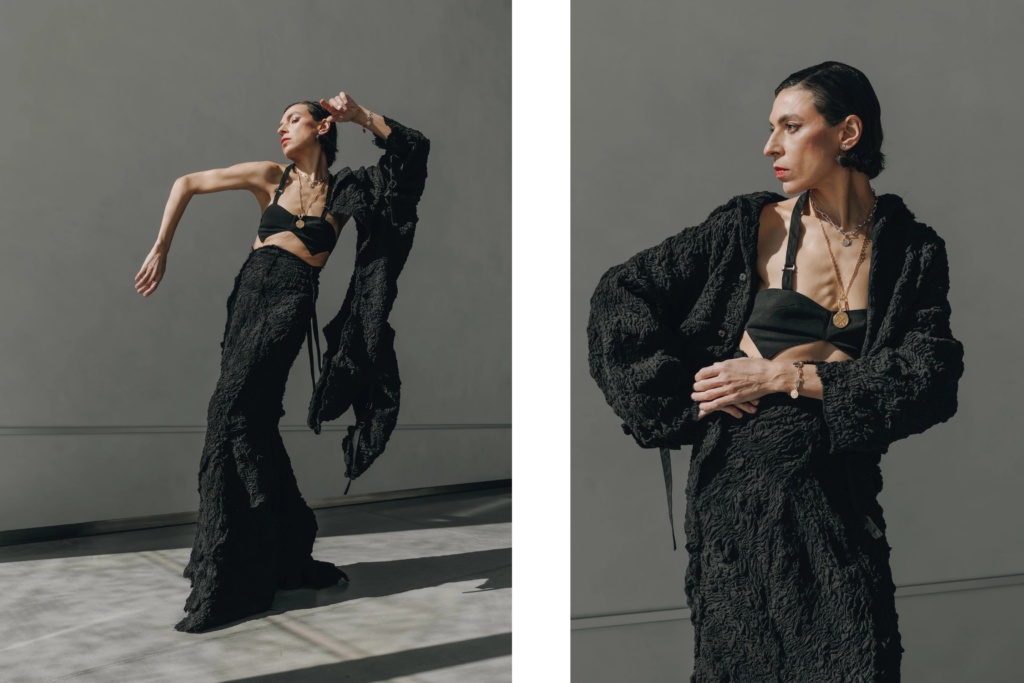
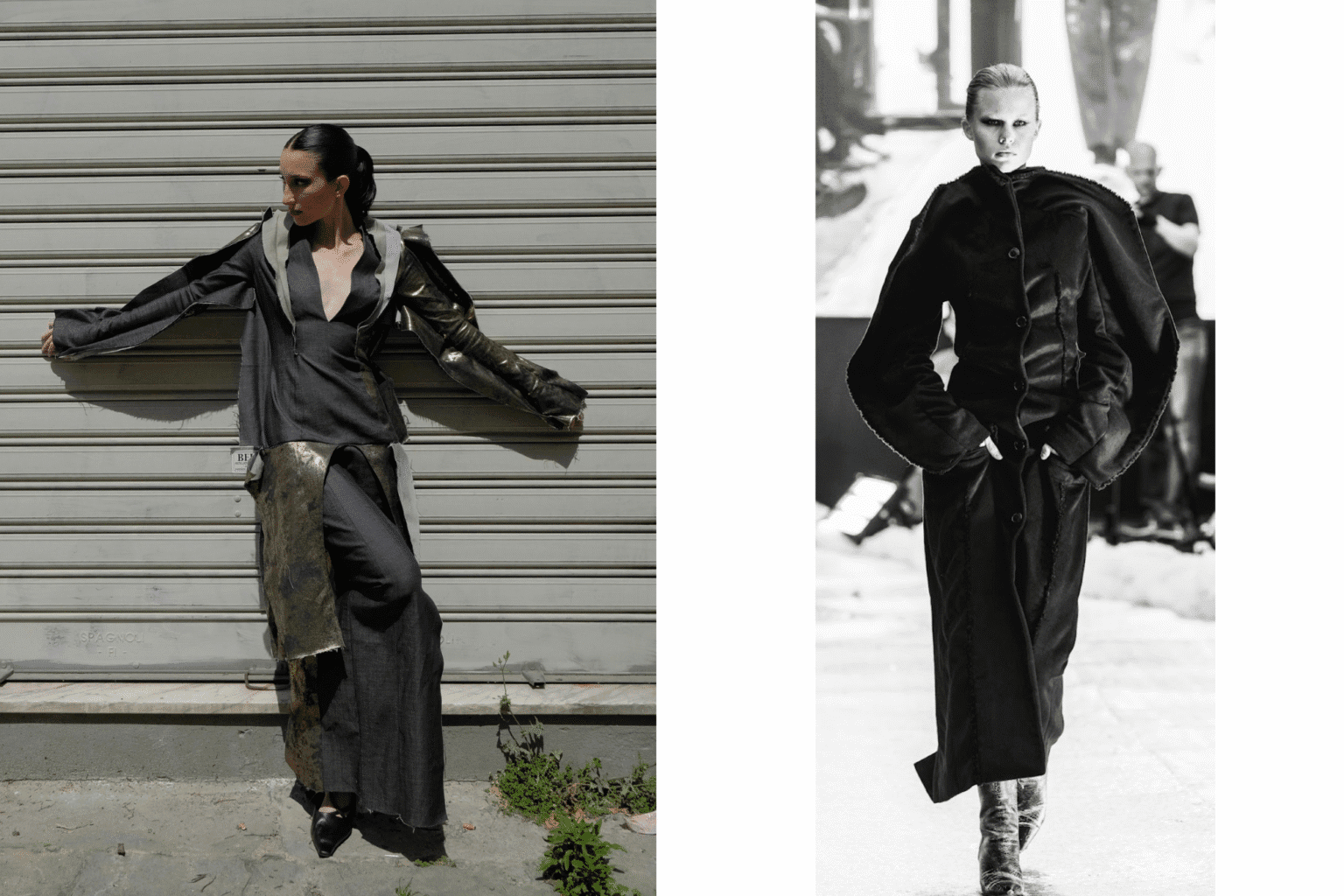
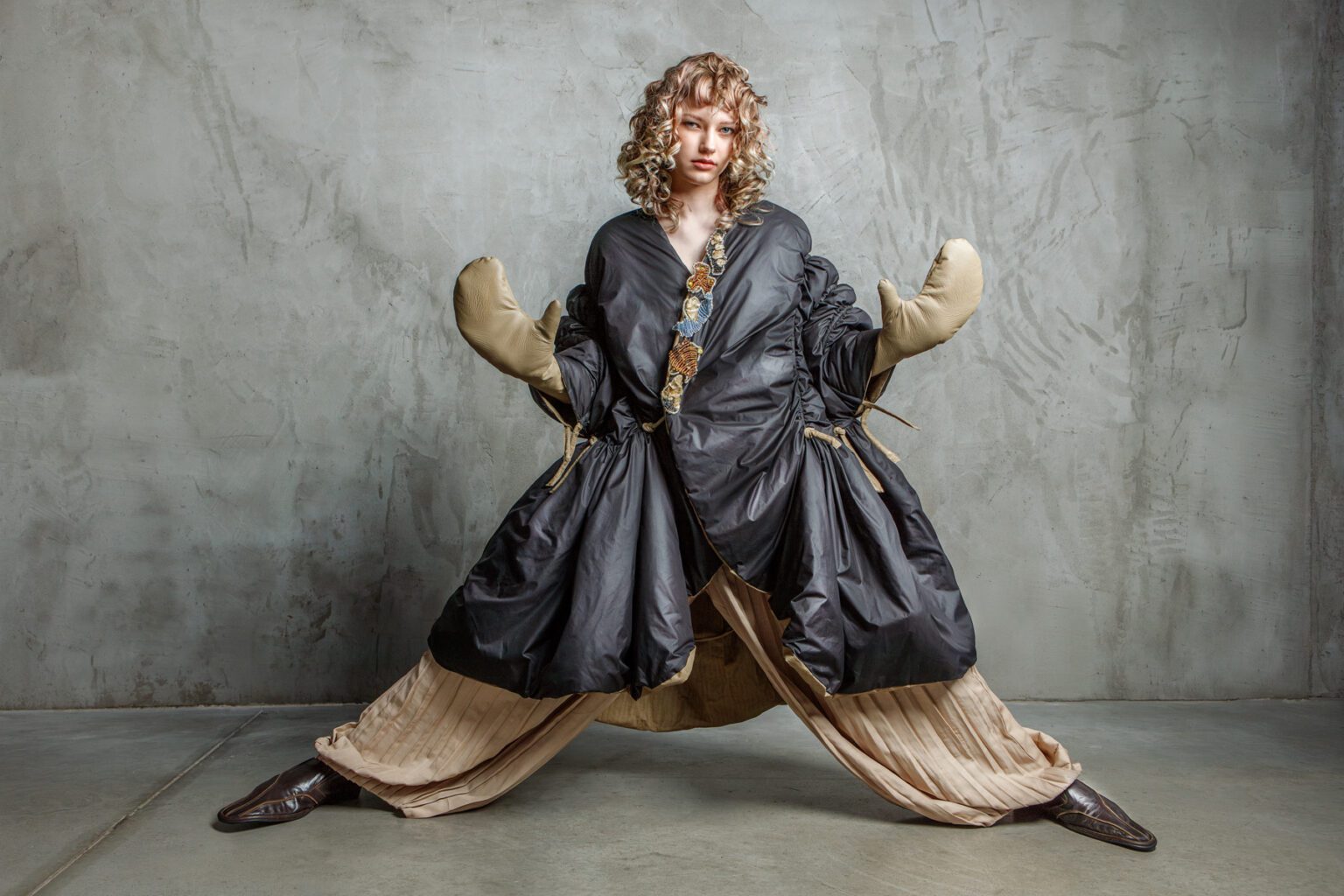
Jaagup Kaiv works at the intersection of design and art, seeking a balance between functionality and conceptual expression. His work treats clothing as a carrier of ideas—a form that can raise questions about identity, power, and the meaning of the body. His garments do not define the wearer’s gender; instead, they are created as gender-neutral, allowing for diverse forms of self-definition and physical expression. The collection “Rewritten Essence” is inspired by themes of totalitarianism and psychological pressure, interpreting motifs from George Orwell’s novel “1984” through garment form and bodily experience. The pieces are designed to last and adapt to the wearer over time; materials are primarily sourced from local industrial leftovers and natural mono-materials. 

Kristiina Jeromans

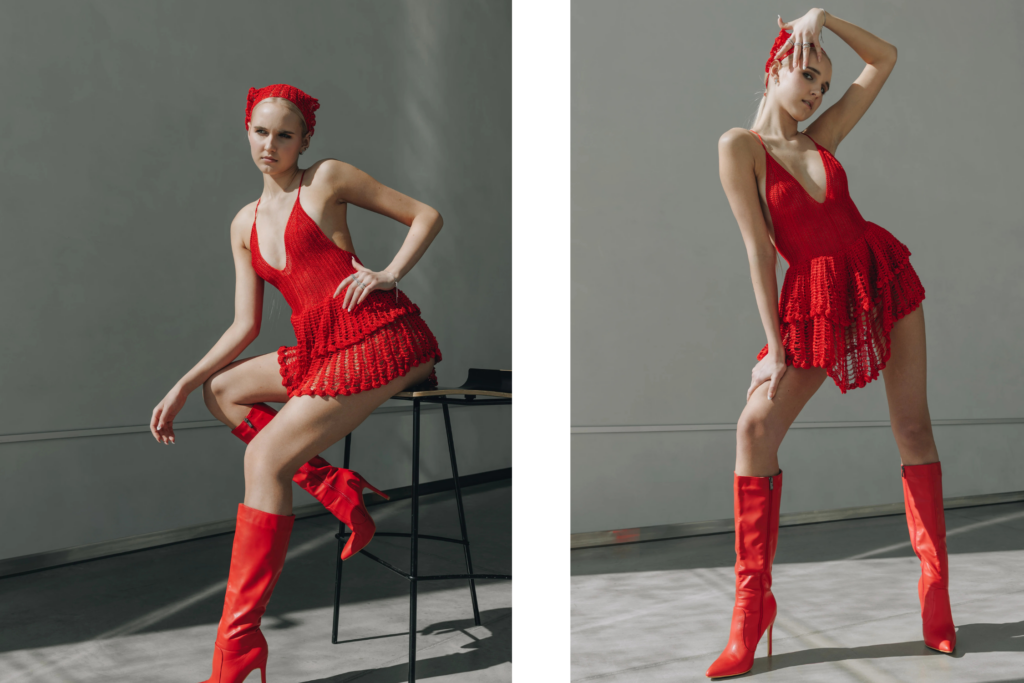
Jeromans is a brand primarily driven by femininity and the beauty of women. The brand is characterized by a blend of handcrafted glamour and contemporary technical possibilities. Jeromans draws inspiration from the past, merging it with the future to create a present that remains timeless.

The designer adheres to the principles of slow fashion—creating timeless pieces using mono-materials. Each product is handcrafted to ensure maximum quality and a long lifespan. Cultural heritage is passed on through the collection’s core purpose, emphasizing skills handed down from mothers to daughters, expressed in this instance through intricate crochet work.

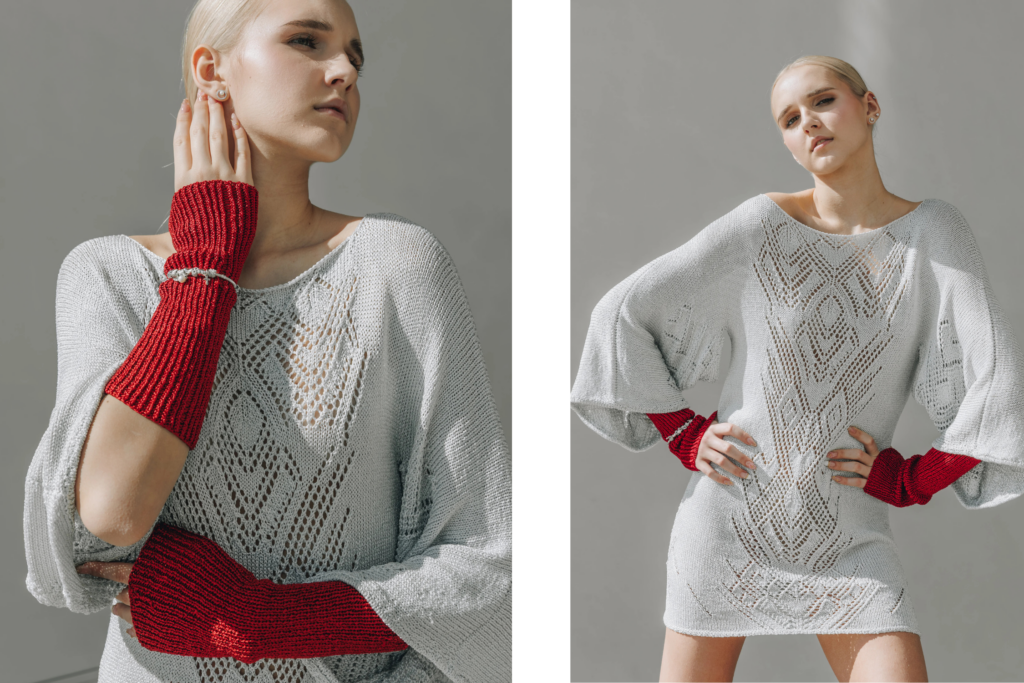
Liina Kulu / ITO

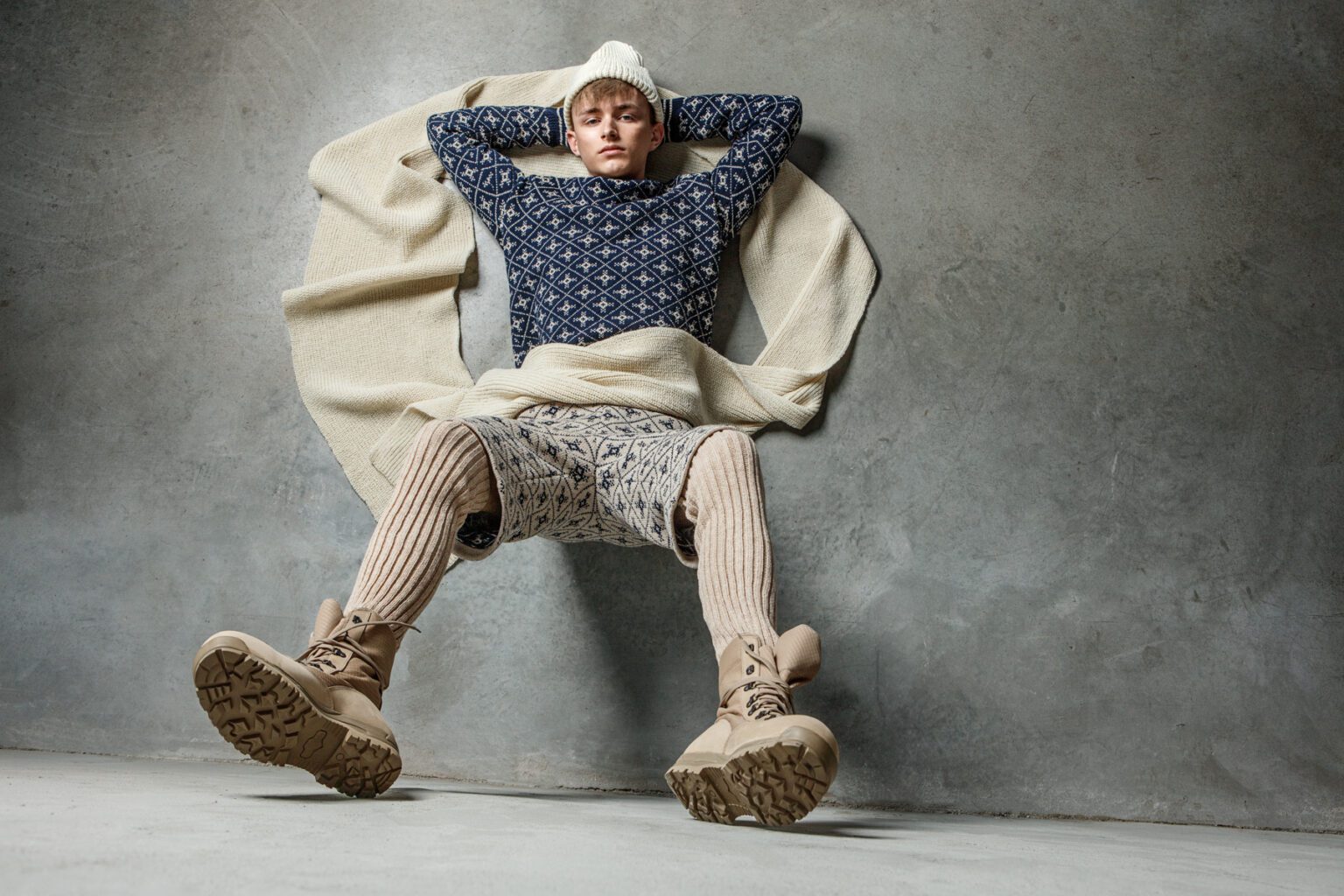
The keyword for Liina Kulu’s knitwear brand ITO is uniqueness. This is reflected in the patterns and cuts used in the knitwear, as well as in the way the products are crafted. The patterns are the designer’s original creations, combining elements of traditional Estonian and Japanese knitting motifs. The cut of the kimono jackets and dresses is innovative from a knitwear perspective, as the fundamental silhouette of a traditional Japanese kimono is created directly on the needles. All products are hand-knitted as one-of-a-kind pieces, following the principles of slow fashion.

The designer collaborates with the Haapsalu Lace Centre, and consequently, her collection is inspired by the intricate patterns of the Haapsalu shawl. She knits all her products herself, using yarns that ensure durability and shape retention. Additionally, she offers maintenance and repair services to the wearers. All items are timeless, further supporting the ethos of slow fashion.
Susanna Peters

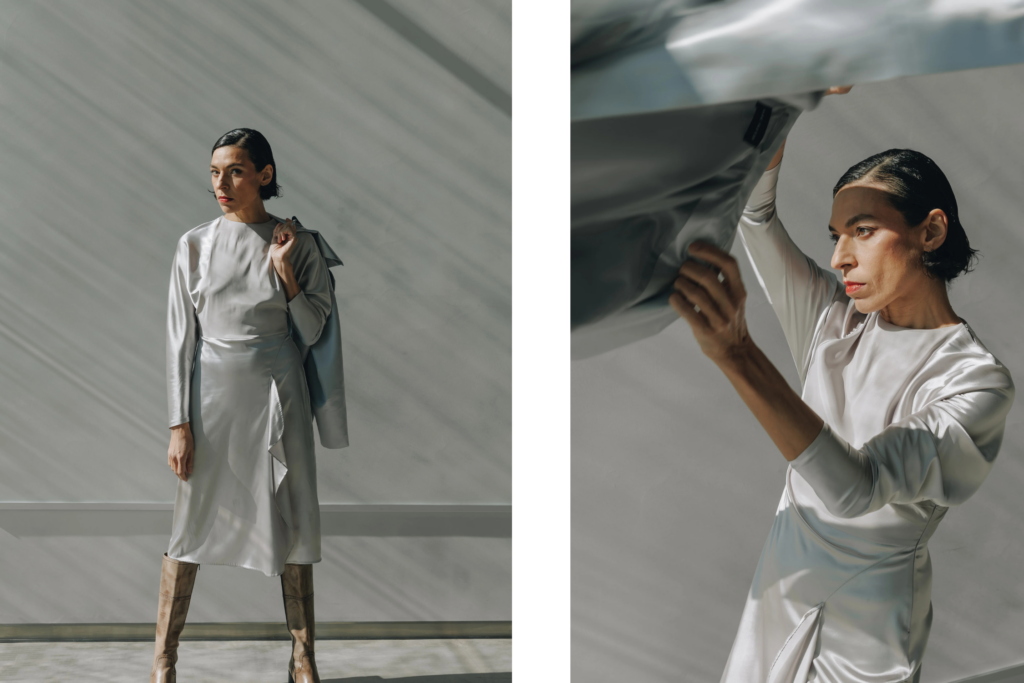
Susanna Peters creates custom-designed team and corporate apparel that helps companies and organizations make their identity visible. Her collection “Mu..hõbevalged..juured” (My..Silver-White..Roots) is a personal story about roots and intergenerational heritage.

The inspiration stems from a dress created by the designer’s great-grandmother in 1935. The collection interprets this legacy in a modern ready-to-wear form, weaving a personal narrative together with contemporary design language.

The collection is developed based on the principles of conscious and controlled production. To avoid overproduction, garments are primarily made-to-order, and the choice of materials is deliberate and informed. The designer focuses on maximizing material utility and creating high-quality, maintainable garments designed to last and evolve alongside the wearer’s needs.
Siret Ott

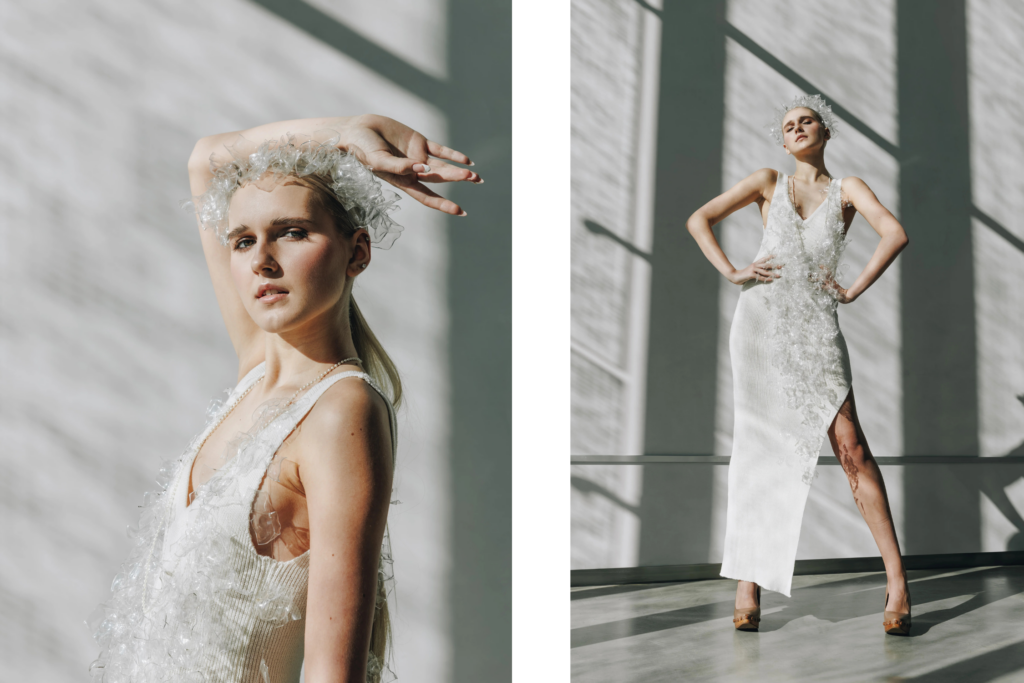
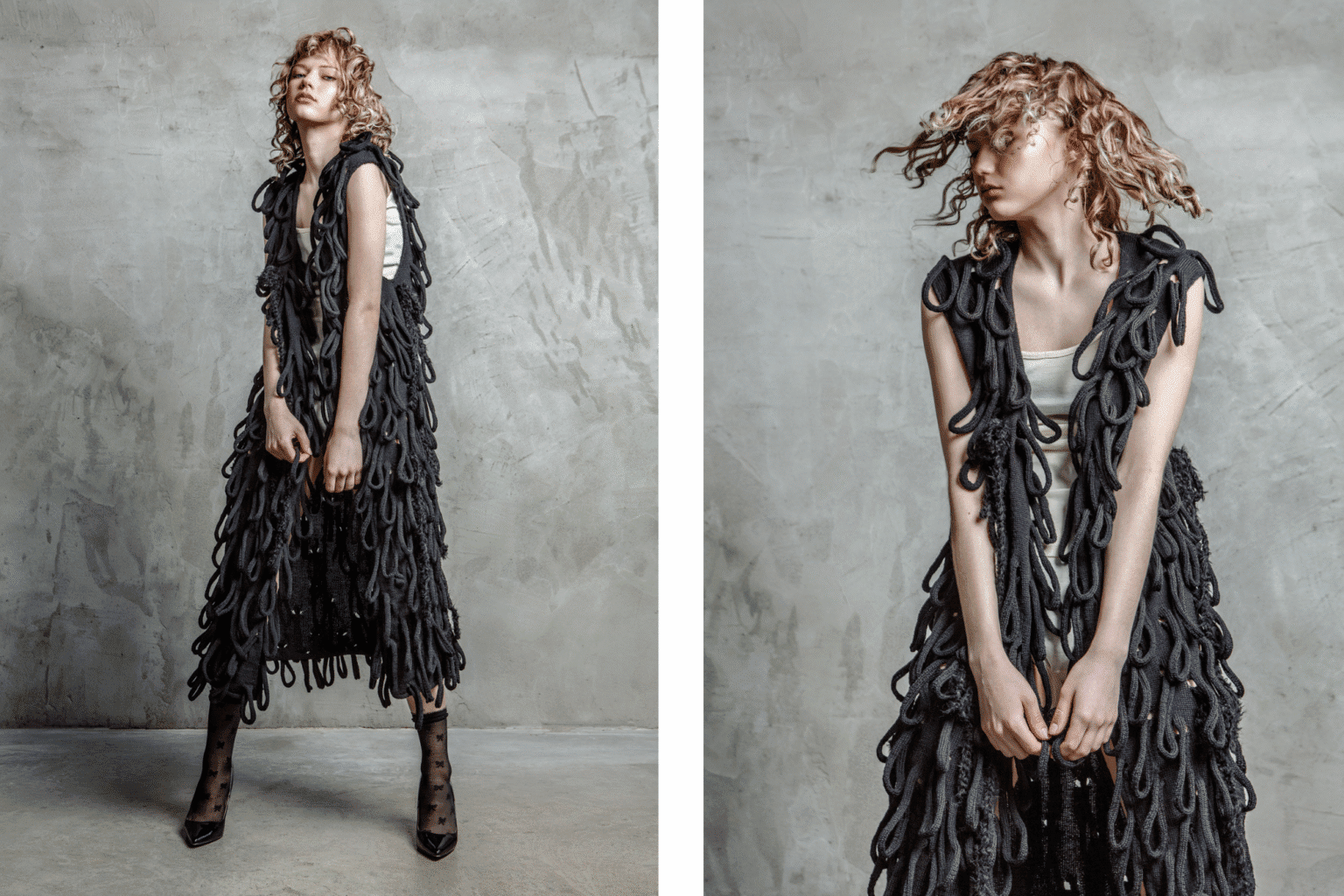
Siret Ott combines various craftsmanship skills in her work—machine and hand knitting, crocheting, sewing, and embroidery—creating knitwear where vintage materials and new forms converge. The designer deconstructs fabric structures, creates new surfaces, felts, cuts, and unravels, transforming seemingly useless materials into new garments. Production leftovers from knitting factories are frequently used, and each resulting piece is a unique one-of-a-kind creation.
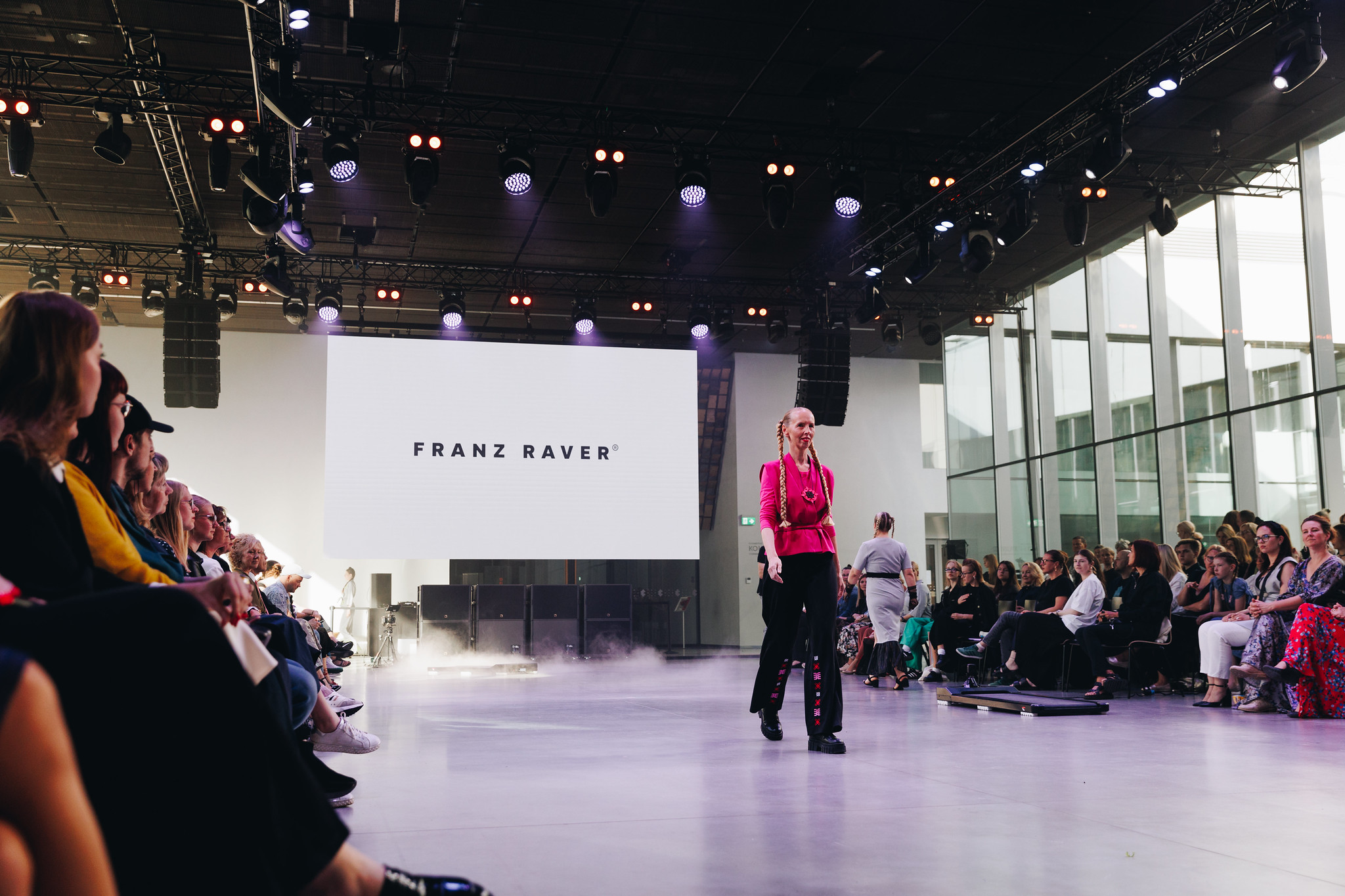
Her collection “PISAR” (TEAR) is inspired by silence and emotions that are simultaneously fragile and strong. The knitwear features simple silhouettes but carries a personal and serene narrative, moving softly and subtly on the body. The collection is born through a slow work process, blending recycled and natural materials that are treated using a variety of artisanal techniques.

Milda Grikšaitė

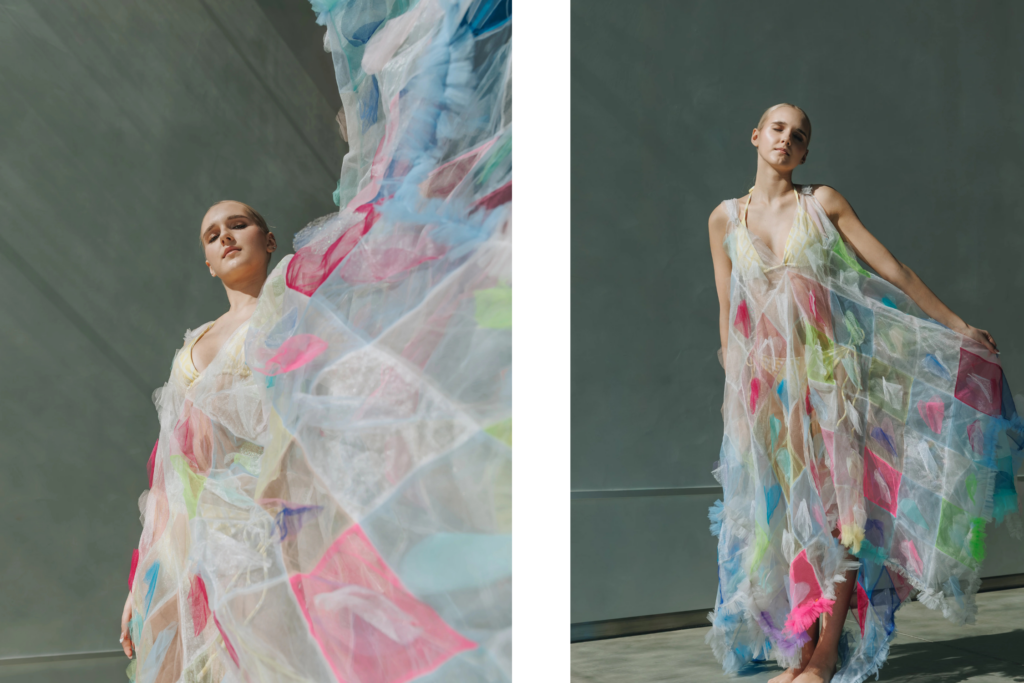
Milda Grikšaitė creates timeless ready-to-wear apparel rooted in craftsmanship, conscious design, and the principles of slow fashion. Her work focuses on quality, durability, and everyday comfort, creating forms that support the body and movement. Garments are produced in small batches or made-to-order; for Milda, it is essential to foster an emotional connection between the wearer and the garment to reduce waste and overconsumption.

The collection “Cuoricini” explores themes of love, lightness, and everyday femininity through color, texture, and heart motifs. Mesh-like knit structures and upcycled tulle details create airy silhouettes that move naturally with the body. The choice of materials is carefully considered, and the designer approaches resource use mindfully, working extensively with fabric scraps and playful techniques that help minimize material waste.

Rūta Kusaitė

Rūta Kusaitė is a fashion designer from Lithuania whose work is inspired by architecture and cultural heritage. Her collection “MODERNE” is a tribute to Kaunas’ interwar modernist architecture, which was added to the UNESCO World Heritage list in 2023. The collection interprets architectural forms and details through garment construction, a specific color palette, and decorative elements such as embroidery, quilted surfaces, and metallic accents.

The garments in the collection are primarily crafted from wool, whose durability and structure help emphasize the architectural design language. Additionally, recycled elements are incorporated, such as repurposed metal cans finished with a glass-like effect. The designer focuses on using natural and long-lasting materials while experimenting with various ways to integrate fabric scraps and recycled materials into the collection.

ANTONIUS FASHION SHOW 2026
Maie Aija – Event Coordinator

Contact: Maie Aija
maie@lmk.ee

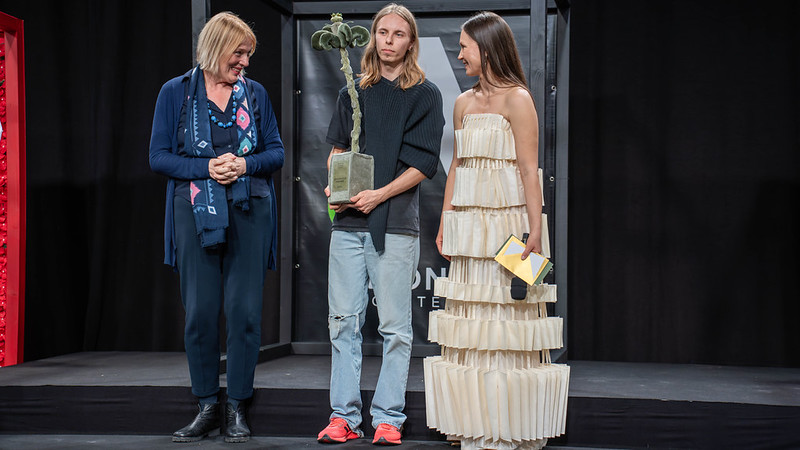
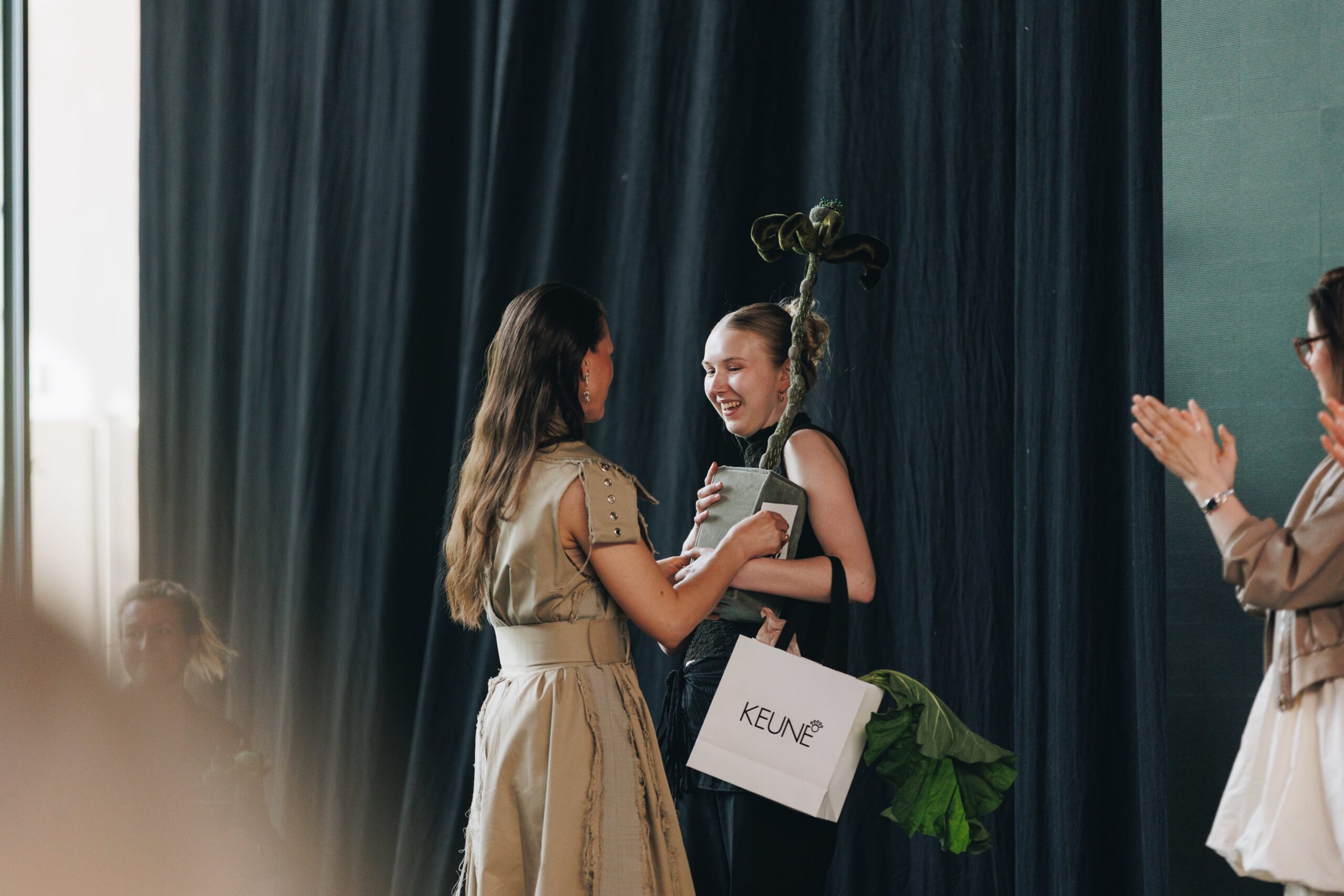
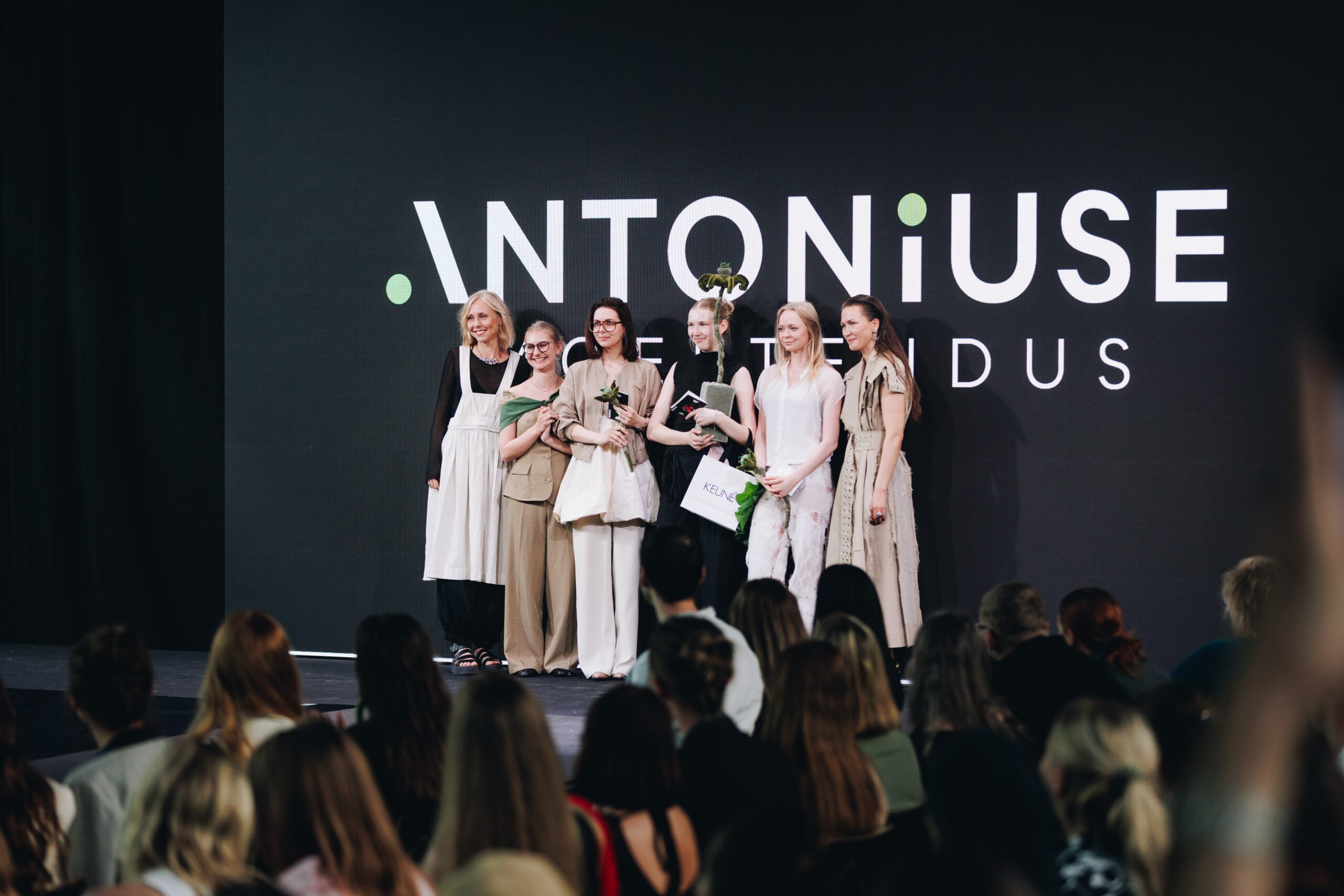
Alice Pärtelpoeg won the Estonian Fashion Festival Grand Prix!

Since 2024, the festival has recognized one outstanding designer who practices sustainability — the award celebrates conscious choices, creativity, and contributions to advancing sustainability both in design and in its message. The winner of the main prize will have the opportunity to present their collection at Berlin Fashion Week at the end of June.

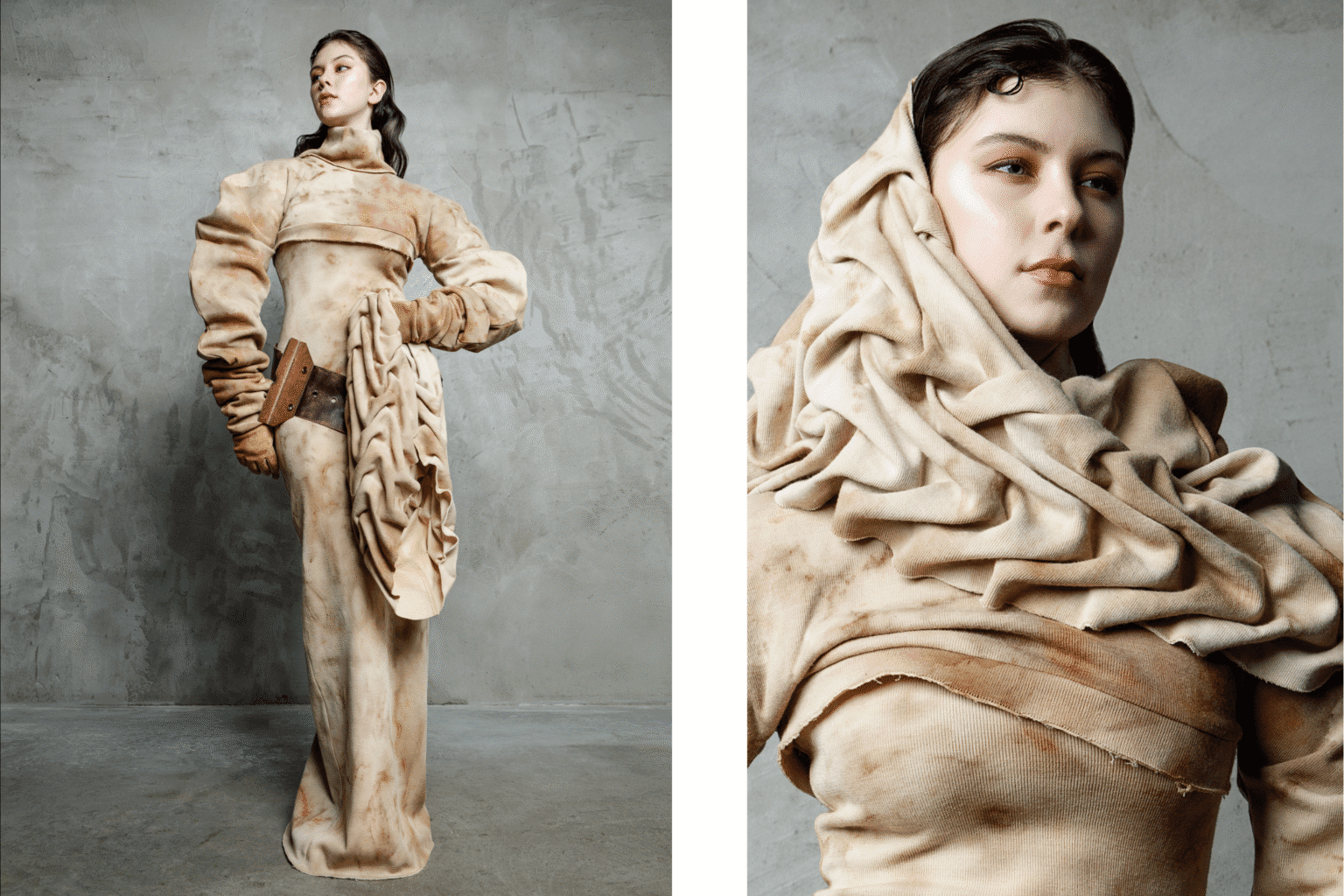
Alice Pärtelpoeg’s work merges the principles of ready-to-wear and haute couture, focusing on detail-driven design where cuts and textures are deliberately chosen. She uses surplus materials, experiments with natural dyeing and textile manipulation, and draws inspiration from the resource-smart lifestyle of rural Estonia.

The winner was selected by a jury consisting of Tanel Veenre, Cärol Ott, Maria Kristiin Peterson, and Kairi Lentsius. “Pärtelpoeg stood out with an original narrative, bold forms, and exciting material play. Distinctive enough to turn heads even at the seasoned Berlin Fashion Week,” commented jury member and jewelry artist Tanel Veenre.

Antonius Fashion Show 2025 special awards

Pop-up sales space at Tartu Kaubamaja Women’s Department – B.MOR STUDIO

Pop-up exhibition at HOPP Design Store – Irja Lembra/ME knit, B.MOR STUDIO, Tuuliki Peil/New Life Studio

Abakhan Fabrics – Tuuliki Peil/New Life Studio

Tartu Dance Academy – Katariina Seepter

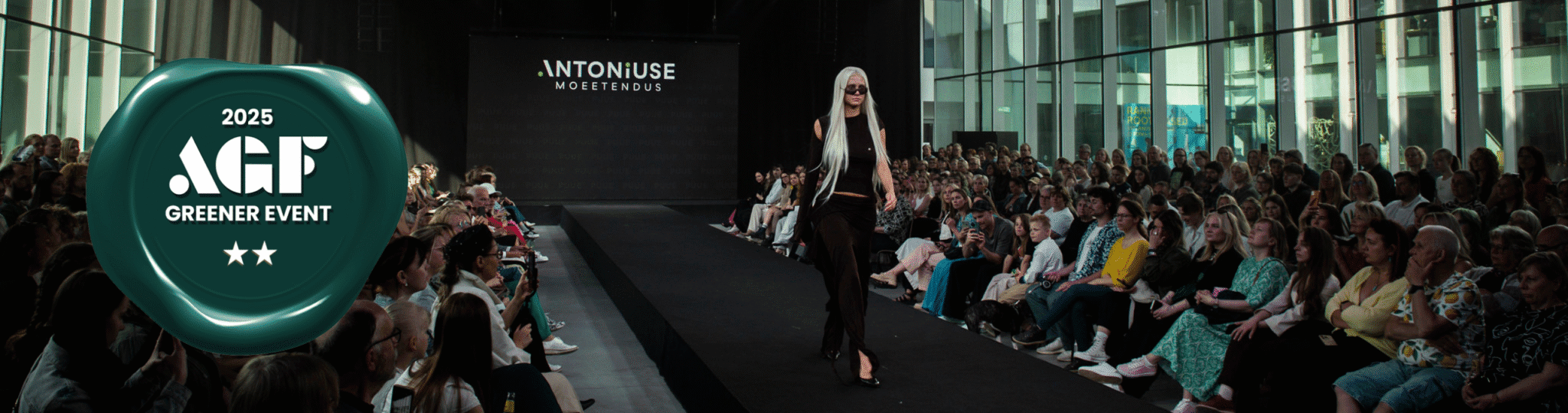
The Antonius fashion show will take place on June 14, 2025, at the Estonian National Museum

At 5 PM, the HOPP Disain and young emerging fashion designers’ pop-up exhibitions will open.

At 6 PM, the Antonius Fashion Show will begin. Collections will be presented by 10 designers and 2 guest designers.

At 8 PM, you can meet all 12 designers and explore the collections more closely.

Collections will be presented by:

Kairi Getman – Näeme kolmapäeval?

N-20 STUDIO – NAÏVE

Irja Lembra / ME knit – meestekollektsioon SOE

B.MOR STUDIO – ITTAI

PUUE – kaos

Tuuliki Peil / New Life Studio – Zodiac

Ülle Järv – Once Upon a Time

Alice Pärtelpoeg – OF SCARCITY

Katariina Seepter – KAMMILAD

Britten Pärkson – Grace

EVE HANSON

WOOLISH – AW26 Colour Hunger

The creative concept of the performance takes the viewer on a journey through time

At the Antonius fashion show, Antonius TV design news segment “Time Travel” will air, exploring the connections between human adaptability, community dynamics, and the meaning of life.

What happens when mass production has ended, pleasure is valued over work, and all clothing is unisex?

The Antonius fashion show seeks answers to questions like: What purpose and value will we carry in the future? On air will be ready-to-wear collections, body positivity, and bold visions spanning the years 1970 to 2150. The show is hosted by Gaute Kivistik.

The performance is directed by Krõõt Kiviste.

Launched in 2013 by the Tartu Centre for Creative Industries, Antonius Fashion Show showcases Estonian fashion designers and their creations—clothing and accessories designed for people of all ages and body types, with a strong focus on reuse, sustainability, and eco-conscious thinking. The show highlights wearability, practicality, and body positivity as its core values.

Designers are selected by a jury based on these principles. All chosen designers go through a month-long training program, where they receive support and guidance to prepare their collections for the runway.

Antonius Fashion Show is one of the three events under the Estonian Fashion Festival.

DESIGNERS OF ANTONIUS FASHION SHOW 2025

Alice Pärtelpoeg / ÄLICE

Alice Pärtelpoeg blends Ready-to-Wear and Haute Couture principles in her work, focusing on detail-oriented design where cuts and textures are deliberately chosen. She uses leftover materials, experiments with natural textile dyeing and manipulation, and draws inspiration from the resource-smart lifestyle of rural Estonia. Her goal is to extend the life cycle of textiles and promote circular design, steering her brand toward sustainable and conscious consumption.

Anna Chirkova / B.MOR STUDIO

Anna Chirkova creates clothing and accessories where functionality meets aesthetics. Her unisex models and oversized cuts offer freedom of movement and suit a variety of body types. Her designs combine the comfort of smart casual with refined elegance, offering a timeless style. Sustainability is a conscious choice for Anna—she uses production leftovers, mulesing-free wool, and Öko-Tex certified fabrics. The skin-friendly materials also ensure comfort for people with allergies. Her designs are more than just fashion pieces—they are adaptable, blending conscious choices with style without compromise.

Britten Pärkson

Britten Pärkson creates exclusive garments that play on the edge of strength and softness, structure and flow. Her designs are feminine yet powerful, emphasizing the body and the shapes formed around it, striking a balance between refinement and freedom. Sustainability is reflected in her thoughtful choice of materials and commitment to quality—she prefers fabrics that ensure longevity and experiments with textures and technical approaches to avoid overconsumption. Her handcrafted pieces offer the confident wearer timeless style, comfort, and a distinctive character.

Birgit Peerna ja Helen-Mary Vartšun / N-20 STUDIO

N-20 Studio creates accessories from production leftovers or materials discarded due to defects, giving them a new life through experimental design and playful forms. Organic cuts, plant-inspired aesthetics, and unexpected details bring a unique character to each piece. Sustainability goes beyond materials—the studio also offers care and rental services to extend the life of their products and reduce consumption. Leather is not cleaned to be “perfect”—natural marks become part of the design, highlighting the material’s history. Packaging is either reusable or compostable. N-20 Studio accessories are a conscious choice for those who value design with a story and an environmentally mindful approach.

Irja Lembra / ME KNIT

Irja Lembra, the designer behind the ME knit brand, is passionate about creating comfortable and timeless knitwear from natural yarns. Her goal is to offer clients knitwear that is not only cozy but also eye-catching. She minimizes waste during production, orders only the materials she needs, and avoids overproduction. All garments are made using hand-knitting machines with minimal leftovers, supporting an environmentally conscious lifestyle.

Kairi Getman Design

Kairi Getman works at the intersection of natural materials and traditional craftsmanship, blending minimalist aesthetics with a sustainable approach. Her work centers on slow fashion—creating garments that are made to last and adapt to the wearer’s lifestyle. Soft silhouettes, natural fabrics, and timeless cuts come together in a harmonious balance that resists seasonal trends. She exclusively uses natural materials and hand-dyes her fabrics using ingredients like avocado skins, oak leaves, and spruce cones, giving each piece a unique and gentle tone. Kairi believes fashion should be a part of life, not a disposable trend, and her creations encourage us to value quality, nature, and long-lasting choices.

Katariina Seepter

Katariina Seepter explores traditional craftsmanship and its relevance in today’s world through her designs, combining storytelling elements from history with a contemporary visual language. Her approach merges precision, innovation, and heritage, resulting in distinctive garments with strong character. She prioritizes zero-waste pattern cutting and uses 100% organic fabrics. Instead of chemical processing, she dyes her textiles with natural plants. Her attention to detail is especially unique—she incorporates handcrafted elements and experiments with various textile techniques, giving each piece a one-of-a-kind personality.

Sille Randviir / PUUE

Sille Randviir combines technical design with sustainability, creating minimalist yet detail-rich garments. Her brand PUUE is built on the use of production leftovers and post-consumer materials, giving them new life through mindful upcycling. She favors natural, long-lasting fabrics and pairs them with recycled leather and unique design elements—such as seatbelts used in accessories. Her collection “KAOS” demonstrates how circular design principles and high-tech cuts can come together to form a practical and timeless wardrobe for the conscious wearer.

Tuuliki Peil / NEW LIFE STUDIO

Tuuliki Peil creates eye-catching, character-rich garments rooted in reuse, where every detail carries meaning. She works intuitively, shaping each piece during the creative process. All her clothing is made exclusively from reused materials—each with its own texture, history, and visual identity. Constantly exploring ways to transform textile industry waste into valuable design, she also leads workshops to inspire others to see reuse as a creative opportunity. Her collection “ZODIAC” offers a unique interpretation for each zodiac sign, resulting in garments that not only express individuality but also provide a sense of support and confidence in everyday life.

Ülle Järv

Ülle Järv creates knitwear where creativity and sustainability merge into a cohesive whole. Her designs stand out through thoughtful material choices and handcrafted details, emphasizing modern design and practicality. She uses natural or recycled yarns, and most garments are made to order—avoiding overproduction and minimizing waste. In addition to her design work, she actively contributes to raising awareness by organizing workshops and events that encourage people to move toward more sustainable fashion choices.

ANTONIUS FASHION SHOW 2025 TEAM
Külli Hansen – Show Director
Maie Aija – Event Coordinator

Contact: Maie Aija
maie@lmk.ee

ANTONIUS FASHION SHOW 2024 AWARDS

Riga Fashion Week – Cärol Ott / carolxott

Fashion Innovators Academy – Susanna Peters / Franz Raver

sTARTUp Day – Margo Laanvee / OOMYO

Tartu Kaubamaja – Irja Lembra / ME knit, Cärol Ott / carolxott, Alisa Vasina and Anu Sirkas

Tallinn Creative Incubator – Cärol Ott / carolxott

HOPP Design Store – New Life Studio and Margo Laanvee / OOMYO

Tartu Centre for Creative Industries – Lisette Laanoja

Impact Day – Kerly Koovisk / KENA

Estonian Fashion Festival’s Most Sustainable Designer 2024 – Cärol Ott / carolxott

Videos

5 Videos
PODCAST

The Estonian Fashion Festival has its own podcast, where the behind-the-scenes of sustainable fashion are explored, and trends, challenges, and innovative solutions are discussed from both local and international perspectives.

Stay updated with the Antonius Fashion Show's activities

Antonius fashion show history

The Antonius Fashion Show started in 2013 when the Tartu Centre for Creative Industries organized a fashion event in Tartu, in Antonius Courtyard, showcasing the creations of Tartu’s fashion and accessory designers. The show, titled “Out of the Closet!” highlighted designers working in Antonius Courtyard and attracted significant attention.

In the early years, the show was marked by fresh, vibrant energy, youthful enthusiasm, and imaginative ideas. However, since the 2020s, greater focus has been placed on the wearability of the collections, their sustainable creation, and their direction towards various target groups. Keywords now include a green mindset, recycling, and body positivity.

Throughout its history, the Antonius Fashion Show has aimed to support young fashion and accessory creators, helping them make the leap to international fashion stages. The winners of the show have had the opportunity to participate in fashion shows in France, Ukraine, and Latvia and have won financial prizes.

The Antonius Fashion Show has stood out due to various innovations. In 2014, the winner was sent for a one-month internship at the Lille Fashion Incubator in France. In 2022, for the first time in Estonia, a virtual fashion collection was presented as part of the show.

In 2018, the organizers of three fashion shows—the Tartu Centre for Creative Industries, as the organizer of the Antonius Fashion Show, the Tartu Higher Art School Pallas as the initiator of the Mood Performance Tants show, and the University of Tartu Viljandi Culture Academy as the organizer of the Oma Mood show—decided to merge these into one unified festival, leading to the creation of the Estonian Fashion Festival.

Since 2023, when Key Külaots became the executive director of the Estonian Fashion Festival and sustainability became a major focus, the Antonius Fashion Show has also aligned with sustainable and environmentally conscious values.

Starting in 2024, the show has also focused on body positivity and the inclusion of models of various ages, sizes, and genders. The show is not only locally significant, as designers come from different parts of Estonia to showcase sustainable ready-to-wear collections.

The Antonius Fashion Show has always been distinctive and diverse, largely thanks to its evolving vision each year. In the past, the show has been led by fashion designer Triinu Pungits, director Marianne Kütt, marketing expert Piret Vapajeva, entrepreneur and fashion designer Liis Tiisvelt, and versatile designer Johanna Nurm. The 2024 show will be organized by Triinu Hansen and directed by Henri Hütt.

Over the years, the Antonius Fashion Show has introduced exciting new designers to the public, including:
Tiina Andron, Triin Isak, Liina Laaneoja, Epp Mardi, Johanna Nurm, Inga Radikainen, Liisa Soolepp, Kristel Suigussaar, Küllike Tuvikene, Tuuli Vahesaar, Annika Vaalma, Anni Ansmann, Kadi Veesaar, Raine Toss, Milli Maier, Kuul, Layk, Key Külaots, Kaire Avi, Susanna Peters, Paul Berg, OMOM Concept, Fibami, LÕÕM, Anu Sirkas, and many others.